
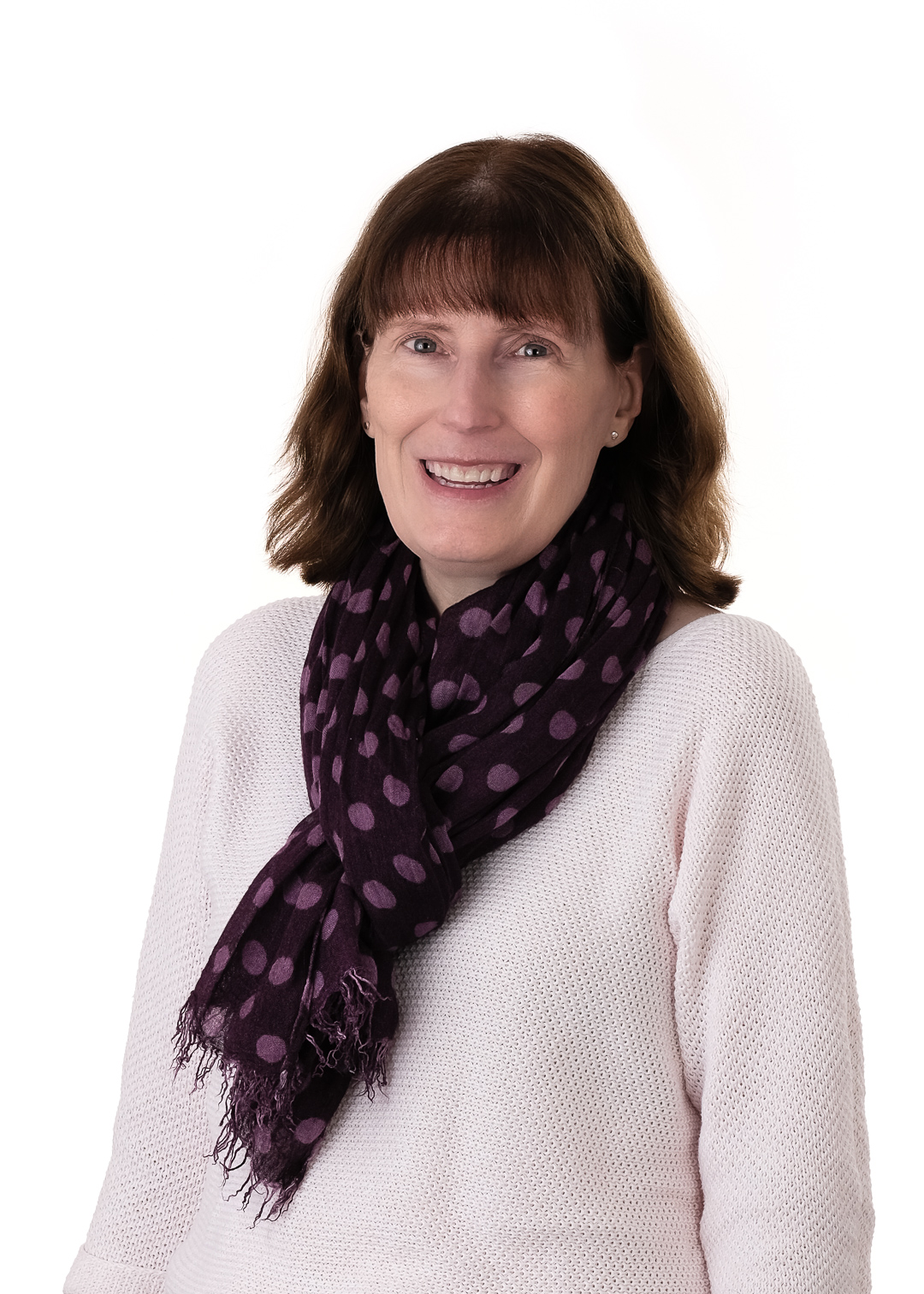
 This week I’m delighted to welcome my British author friend Eva Glyn (who also writes as Jane Cable) to my blog.
Eva has a special post for you about what libraries mean to her and how they feature in her recent book, The Croatian Island Library, a moving contemporary women’s fiction novel of self-discovery, unexpected community and second chances.
Having been lucky to read an advance copy, I also felt I’d taken a trip to beautiful, sun-drenched Croatia, no ticket or passport required!
Over to Eva…
For as long as I can remember, libraries have been part of my life. The suburb of Cardiff in Wales where I grew up had a wonderfully modern one and I used to love going there on Saturday mornings to choose my books. An extra treat if the seat upstairs at the front of the double-decker bus was free!
In the school holidays, however, we moved into the country to stay with my grandmother and here the library came to us. The huge van full of books fascinated me from an early age – I must have been tiny, because I remember the steps being enormous – but it was a vital service for people in rural areas without much in the way of public transport.
 Perhaps it’s not a large step from a mobile library navigating country lanes, to one on a catamaran which navigates the channels between islands.
In some of the places my latest book, The Croatian Island Library visits, there isn’t even a school – let alone a library, or a bookshop.
There also isn’t a great deal of money. The average wage in Croatia is around 1,400 Euro a month (circa GBP£1200 / US$1600 / CDN$2200) and in tourist areas people work six or seven months a year at best.
But despite of all this, there is a big emphasis on education in the country, and particularly for children to learn foreign languages. I remember being astounded meeting my Croatian friend Darko’s daughter when she was about twelve, and her English was more or less fluent. And then being told that wasn’t unusual.
So why not a boat of books to take learning, languages and fun to island kids during the long summer holidays?
In The Croatian Island Library, Lloyd, the librarian, is obviously a bookish person, and Ana, the skipper enjoys reading too. But for mechanic and deck hand Natali, who’s always been told she’s stupid, books are not even on her radar. Until a fairy tale inspires her to find out more and a wonderful world opens up, not just for the stories and characters she comes to adore, but in her own life as well.
This is what libraries can do. Should do. I just wish more people realised that they are for everyone.
In the UK we’re really lucky that libraries are free, but somehow we don’t shout about it as much as we should. We don’t explain to children that if they prefer to read on their tablet they can borrow digital books. We don’t lead them into stories through the wonderful graphic novels on the shelves. And adults need to be reminded – or even just told – these things too.
 It’s a wonderful fantasy, isn’t it? A boat full of books going from island to island, sharing stories and making connections. Reaching out to readers who can’t come to them.
And there was most likely a final reason I chose to write about this sort of library, one that only occurred to me when I really thought about it.
In the final years of her life my mother became housebound, and although mobile libraries were a thing of the past, the Cardiff library service employed a couple of librarians who took books to readers who couldn’t go to them.
How my mum looked forward to these visits! Not just to change her books – she always had a couple on the go – but to talk about reading with someone as passionate about it as she was.
The conversations, and of course the books themselves, connected her to a wider world. I’d like to think The Croatian Island Library will do the same for its readers. Even if they don’t need reminding how important libraries are.
Find out more about The Croatian Island Library and get a copy (available in paperback, e-book & audio) here.
0 Comments